

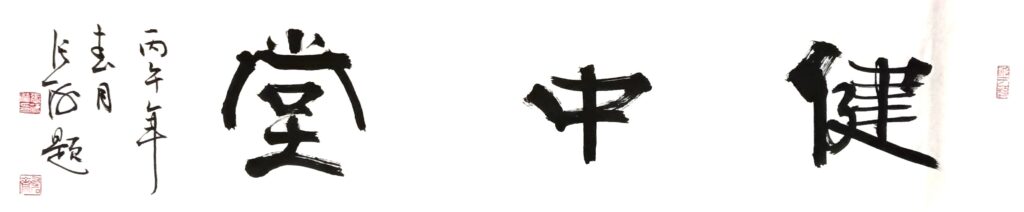
We are dedicated to preserving and promoting the timeless wisdom of 伤寒杂病论 by bringing its classical herbal principles into the modern world through innovative wellness supplements. Inspired by the holistic philosophy of traditional natural herbal plants, they aim to transform ancient formulas into convenient, high-quality products designed to support balance, vitality, and long-term health in today’s fast-paced lifestyle. By combining traditional knowledge with modern production standards, We seek to make the therapeutic insights of 张仲景 more accessible to contemporary people while honoring the original spirit of harmony, prevention, and whole-body wellness.
Our mission goes beyond simply preserving ancient formulas—we work extensively to adapt and refine these classical principles into convenient, safe, and practical products that fit contemporary lifestyles and health needs. We strive to create supplements that are easier to use, more accessible, and compatible with today’s fast-paced society while still maintaining the core holistic concepts of balance, prevention, and long-term well-being that have guided traditional formulas for centuries..
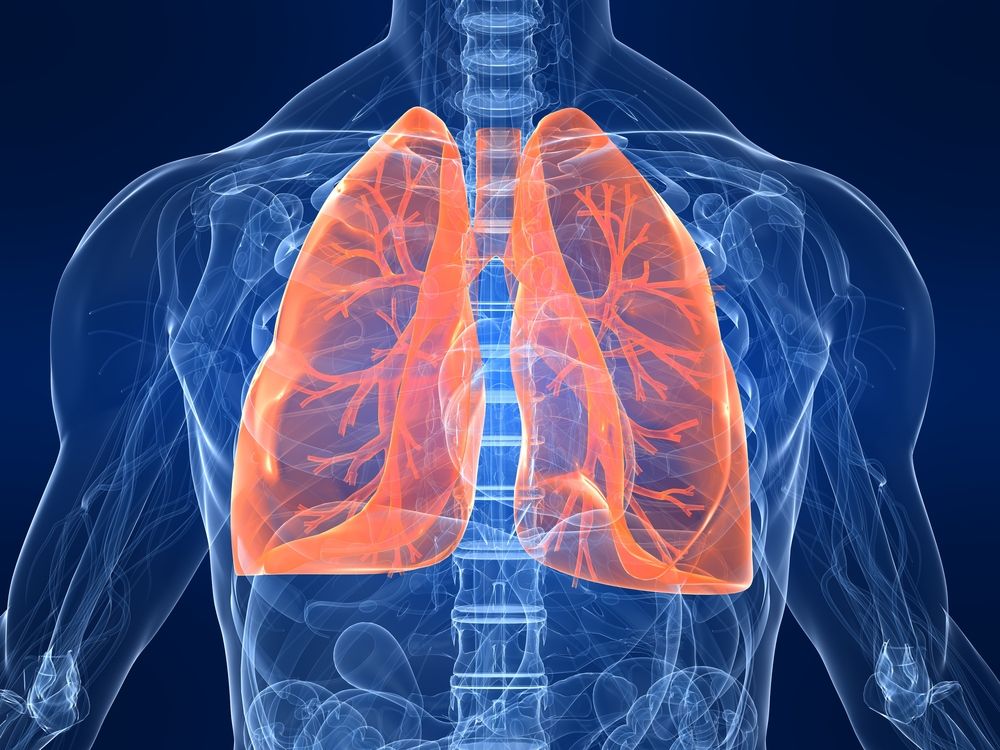
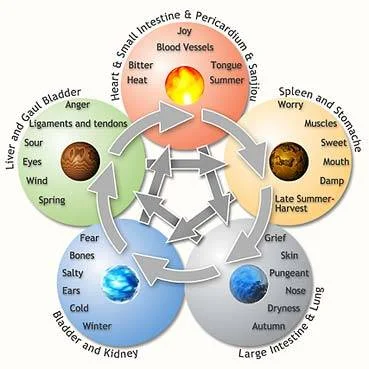
The “lung” as an integrated functional system responsible for respiration, the movement of qi. When external cold pathogens invade the body, they obstruct the lung’s qi, leading to symptoms such as coughing, wheezing. Therefore, treatment focuses on dispersing the lung, releasing the exterior, directing qi downward, and resolving fluid retention rather than simply suppressing cough. Effective regulation of the lung system focuses on restoring the movement of qi and body fluids through regular sleep, avoiding excessive cold exposure, moderate exercise, breathing practices, and reducing smoking and alcohol. In diet, mild and moistening foods such as pears, lily bulb, white fungus, Chinese yam, and almonds are traditionally considered beneficial for nourishing the lung and qi, while overly spicy, greasy, or cold foods are generally avoided. For recurrent cough, excessive phlegm, shortness of breath, or cold-fluid patterns, traditional Chinese medicine typically uses individualized approaches such as dispersing the lung, strengthening the spleen, tonifying the kidneys, or resolving phlegm according to the specific pattern of imbalance.
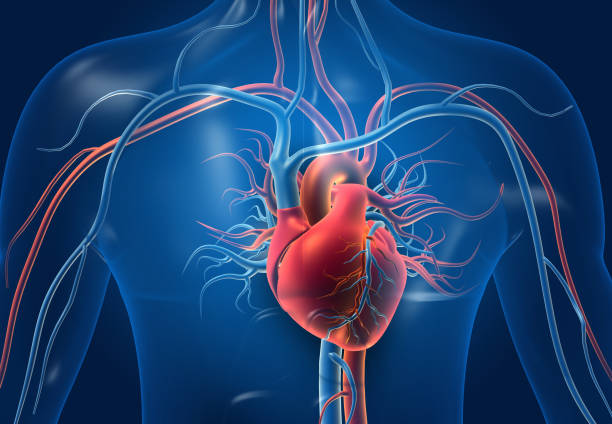
The “heart” refers to a central functional system responsible for blood circulation, mental activity, emotional balance, and the coordination of overall vitality. Traditional Chinese medicine states that the heart “governs the blood vessels” and “houses the spirit (shen),” meaning that it not only drives blood circulation but is also closely connected with consciousness, sleep, memory, emotions, and mental well-being. When heart qi, heart blood, or heart yin becomes imbalanced, symptoms may include palpitations, insomnia, anxiety, poor memory, chest discomfort, fatigue, or emotional instability. Effective regulation of the heart system focuses on nourishing the blood, calming the mind, maintaining smooth circulation of qi and blood, and preserving emotional balance through regular daily routines, adequate sleep, stress reduction, moderate exercise, and stable emotional habits. Dietary recommendations generally emphasize light and nourishing foods such as red dates, lotus seeds, lily bulb, longan fruit, and oats, which are traditionally believed to support the heart and calm the mind, while chronic sleep deprivation, overstimulation, excessive emotional stress, smoking, and excessive alcohol consumption are discouraged.
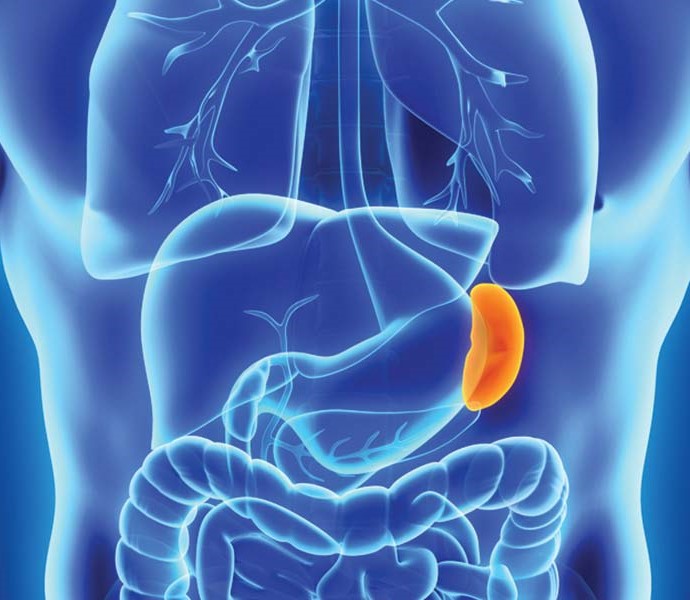
The “spleen” is a functional system responsible for digestion, absorption, nutrient transportation, and fluid metabolism. Traditional Chinese medicine states that the spleen “governs transformation and transportation,” meaning it converts food and fluids into qi and blood to provide energy for the entire body, which is why it is regarded as the “foundation of postnatal life.” The spleen is also believed to “control the blood” and “raise clear qi,” helping maintain circulation and organ stability. When spleen function becomes impaired, symptoms may include fatigue, poor appetite, abdominal bloating, diarrhea, excessive dampness or phlegm, and heaviness in the limbs. Effective regulation of the spleen focuses on strengthening digestion and reducing damp accumulation through regular eating habits, avoiding overeating and excessive cold or raw foods, and consuming warm, easily digestible foods such as Chinese yam, porridge, pumpkin, red dates, coix seeds, and lotus seeds. Moderate exercise and regular sleep are also considered important for restoring digestive and qi functions.
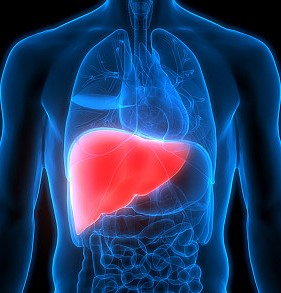
The “liver” is an important functional system responsible for regulating the flow of qi, storing blood, balancing emotions, and coordinating the tendons and muscles. Traditional Chinese medicine states that the liver “governs free flow” and “stores blood,” meaning its function is closely related to emotional regulation, digestive coordination, blood storage, and the smooth movement of qi throughout the body. When liver qi becomes stagnant or liver blood is deficient, symptoms may include emotional depression, irritability, chest or rib-side fullness, digestive discomfort, headaches, insomnia, menstrual irregularities, or muscular tension. Effective regulation of the liver focuses on maintaining smooth qi circulation and emotional balance through regular sleep, stress reduction, moderate exercise, relaxation practices, and healthy emotional expression. Dietary recommendations generally emphasize light and balanced nutrition, including green vegetables and natural whole foods, while avoiding excessive alcohol, chronic anger, and overly greasy or spicy foods.
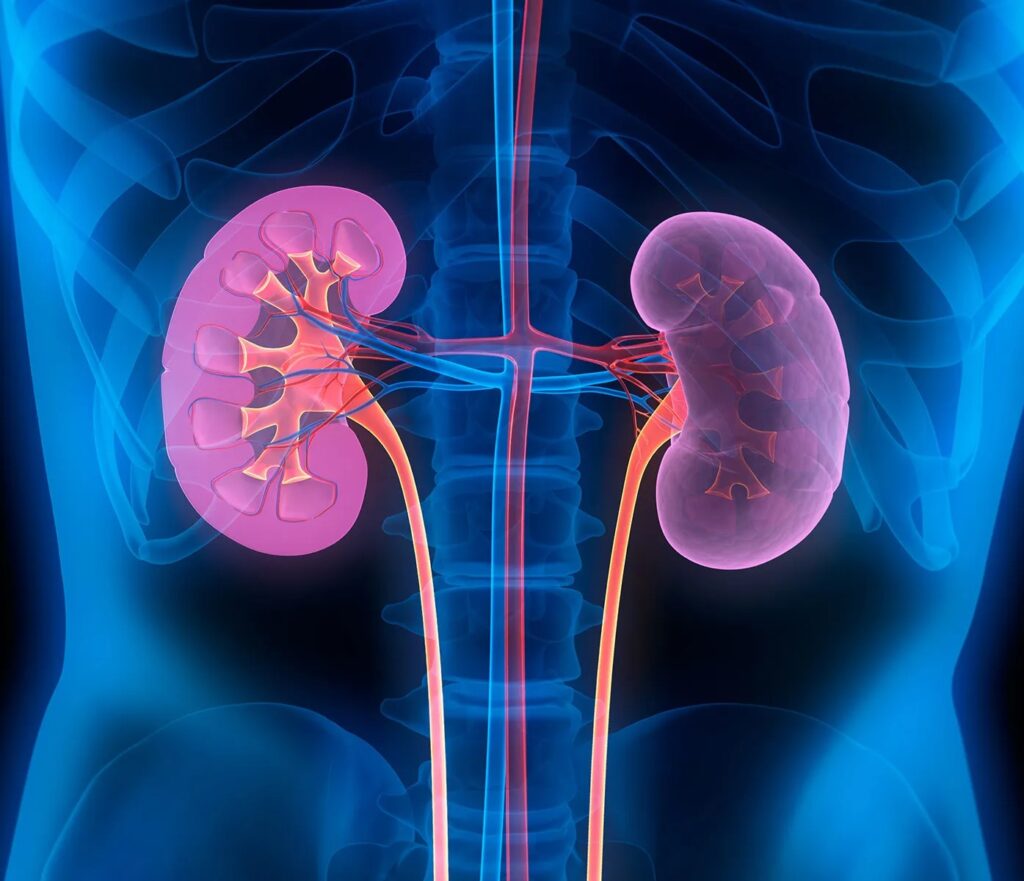
The “kidney” refers to a broader functional system responsible for storing “essence” (jing), governing growth, development, reproduction, water metabolism, and maintaining the body’s fundamental vitality; therefore, it is regarded as the “foundation of congenital life.” Traditional Chinese medicine states that the kidney “stores essence,” “governs water,” and “grasps qi,” and it is closely associated with the bones, brain, ears, hair, and reproductive functions. When kidney qi or kidney essence becomes deficient, symptoms may include fatigue, lower back and knee weakness, sensitivity to cold, frequent nighttime urination, reduced memory, tinnitus, or shortness of breath. Effective regulation of the kidney system focuses on protecting essence and maintaining the balance of yin and yang through regular sleep, avoiding chronic sleep deprivation and overwork, engaging in moderate exercise, and reducing long-term stress. Dietary recommendations often emphasize nourishing foods such as black sesame, walnuts, Chinese yam, goji berries, and black beans, which are traditionally believed to support kidney essence, while excessive cold foods, smoking, alcohol, and exhausting lifestyles are generally discouraged.
Our goal
We are dedicated to bringing the timeless wisdom of 伤寒杂病论 into the modern era by developing innovative wellness supplements inspired by the principles and classical formulas. Our long-term goal is to create a wide range of modern supplements based on the therapeutic foundations found in 伤寒杂病论, transforming ancient herbal knowledge into convenient, high-quality products suitable for today’s lifestyles. Through continuous research, formulation refinement, and modern production standards, we work to preserve the core philosophy of holistic balance and preventive wellness while making these traditional concepts more practical, accessible, and effective for contemporary health needs.